The Death of Organic Social Media Reach
Let's be blunt: organic social media marketing as a viable business strategy is over. The numbers don't lie, and they've been trending in the same direction for years. Every major platform has systematically throttled organic reach to force businesses into paid advertising.
Facebook organic reach for brand pages now sits below 1.5%. A decade ago, it was 16%. Facebook didn't just reduce reach — they decimated it by over 90%. If you have 10,000 followers on Facebook, fewer than 150 of them will see your average post. That's not a marketing channel — that's a ghost town.
Instagram's algorithm has pivoted hard toward Reels and paid content. Static posts and carousels — the content types businesses rely on — are buried beneath entertainment content and sponsored placements. Engagement rates for brand accounts have dropped below 1% for accounts over 10K followers.
TikTok's monetization squeeze is pushing creators toward subscriptions, tipping, and off-platform revenue. The algorithm that once made going viral feel effortless now prioritizes content that keeps users on the platform longer — regardless of whether it helps your business. And let's not forget the looming regulatory threats that could restrict or ban the platform entirely in major markets.
Twitter/X engagement has cratered since the platform's ownership change. Advertisers have fled, algorithmic changes have made reach unpredictable, and the overall user experience has degraded. For B2B marketers who once relied on Twitter for thought leadership, the ROI simply isn't there anymore.
LinkedIn remains the last holdout with relatively generous organic reach, but even there, reach is declining year over year as the platform monetizes its feed. The pattern is unmistakable: every social platform eventually throttles organic reach to force ad spend. It's not a bug — it's the business model.
Why Marketers Are Panicking (And What They Should Do Instead)
The panic is understandable. Brands and creators have spent years — sometimes decades — building audiences on social media. They've invested in content creation, community management, influencer partnerships, and paid boosts, all to grow a following they don't actually own.
When an algorithm changes overnight, that investment evaporates. We've seen it happen repeatedly: Facebook's 2018 algorithm change wiped out publisher reach overnight, sending companies like LittleThings (with 12 million followers) out of business entirely. Instagram's shift to Reels crushed engagement for photographers and artists who had built their careers on the platform. TikTok creators who went viral one week found themselves invisible the next.
The fix is straightforward but requires a fundamental mindset shift: build an owned audience through email. Email subscribers have actively opted in — they want to hear from you. There is no algorithm standing between you and your subscriber's inbox. When you send an email, it arrives. It's that simple.
This isn't about abandoning social media entirely. It's about restructuring your strategy so that social media serves one primary purpose: driving people to your email list. Use social for awareness. Use email for revenue. That's the framework that works in 2025 and beyond.
Email Marketing by the Numbers: The Case Is Overwhelming
The data makes an overwhelming case for email marketing as the superior channel for business communication. Here are the numbers that matter:
- 4.5 billion email users worldwide — more than any single social media platform
- Average email open rate: 21.5% (vs. 1–3% social organic reach)
- Email ROI: $36–42 per $1 spent — the highest of any marketing channel
- 77% of consumers prefer email for promotional communications
- Email conversion rates are 3–5x higher than social media
| Metric | Email Marketing | Social Media |
|---|---|---|
| Reach | 20–25% open rate | 1–3% organic |
| ROI | $36–42 per $1 | $2–5 per $1 |
| Ownership | You own the list | Platform owns the audience |
| Lifespan | 24–48 hours in inbox | 15–90 minutes in feed |
| Conversion | 3–5% average | 0.5–1.5% average |
These aren't cherry-picked statistics. They represent industry-wide averages confirmed by studies from Litmus, the Data & Marketing Association, Statista, and McKinsey. The conclusion is inescapable: if you want measurable, reliable, high-ROI marketing, email is the channel to invest in.
The Email Platforms Leading the Charge
These are the platforms making it easy to go email-first. Each one has been tested hands-on by the BestSends team:
How to Build Your Email List from Social Media (Before It's Too Late)
The window for converting your social audience into email subscribers is closing as organic reach continues to decline. Here's how to act now:
Step 1: Add a Lead Magnet Link to Every Social Bio
Your Instagram bio, YouTube channel description, TikTok bio, LinkedIn headline, and Twitter/X bio should all point to a single landing page where people can join your email list. Don't link to your homepage — link directly to a high-value opt-in offer. Tools like Beehiiv and Kit make creating these landing pages simple.
For creators building a content business, This is the platform we recommend for landing pages, sequences, and creator commerce →Try KitAffiliate.
For monetization-first newsletter operators, This is the platform we recommend for the built-in ad network and 0% paid subscriptions →Try beehiivAffiliate.
Running a small business or local brand? This is the platform we recommend for free email + SMS in one dashboard →Try BrevoAffiliate.
Step 2: Turn Your Best Social Posts into Email Opt-in Content
Look at your highest-performing social content from the past year. Turn those topics into downloadable PDFs, expanded guides, or exclusive content series available only to email subscribers. This gives your social audience a clear reason to make the switch.
Step 3: Use Every Platform Feature to Drive Signups
Instagram Stories with "Link" stickers, LinkedIn articles with embedded opt-in CTAs, YouTube description links with pinned comments, TikTok videos with "link in bio" callouts — use every feature available to funnel followers toward your email list.
Step 4: Offer Email-Only Exclusives
Create content that is genuinely only available to email subscribers. Behind-the-scenes insights, early access to launches, exclusive discounts, or deep-dive analysis that you'd never post publicly. Make your email list feel like the VIP room.
Step 5: Run a "Social Detox" Challenge
Email your list daily for 30 days while reducing social posting. Track what happens to your revenue, engagement, and audience growth. Most marketers who run this experiment never go back to a social-first strategy because the email numbers are so much stronger.
Carlos Gil's Perspective: I Wrote the Book on This
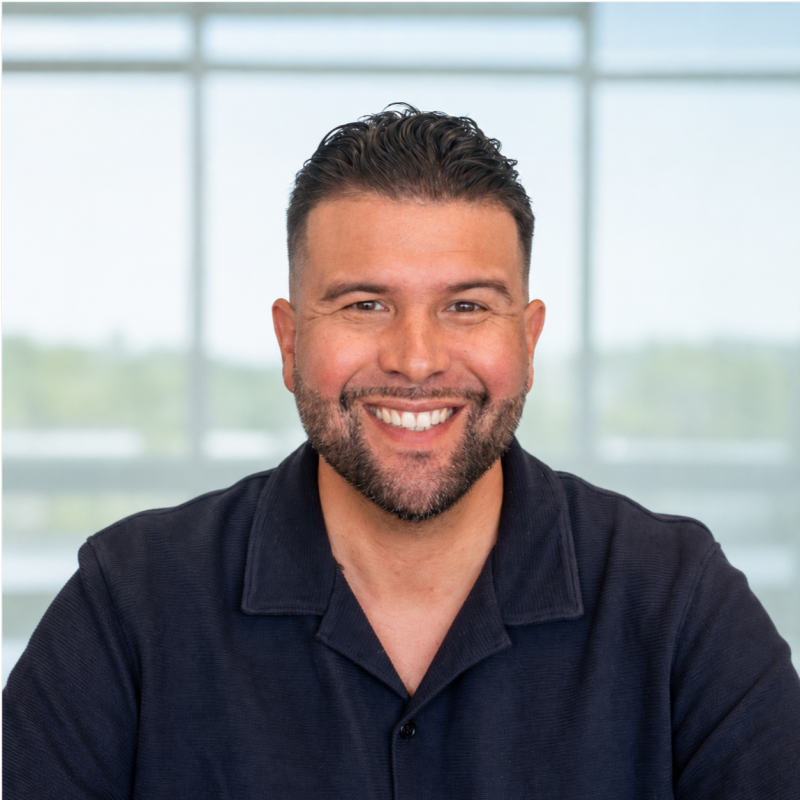
Carlos Gil is the bestselling author of The End of Marketing, which predicted the decline of organic social reach years before it became industry consensus. As the former Brand Evangelist at GetResponse, he helped thousands of marketers transition from social-first to email-first strategies. He now runs SendFocus, a digital marketing agency, and publishes Inbox Gold, a weekly email marketing newsletter on LinkedIn.
"I literally wrote the book called The End of Marketing. Social media as a free marketing channel is over. Email is the only channel where you control the conversation."
— Carlos Gil